The quiet magic of Japan.
Japan looks orderly, polite, modern from the outside. Look closely and you notice: behind every torii a Kami lives. On every mountain a Yamabushi. In every shadow a Shikigami. The quiet magic never went away.
If you grew up with Naruto, Demon Slayer, Jujutsu Kaisen — you've already seen the surface of this world. Onmyōji, Yamabushi, Kuji Kiri, the nine hand seals: not fantasy. The real lineage stands behind the anime, older and stranger.
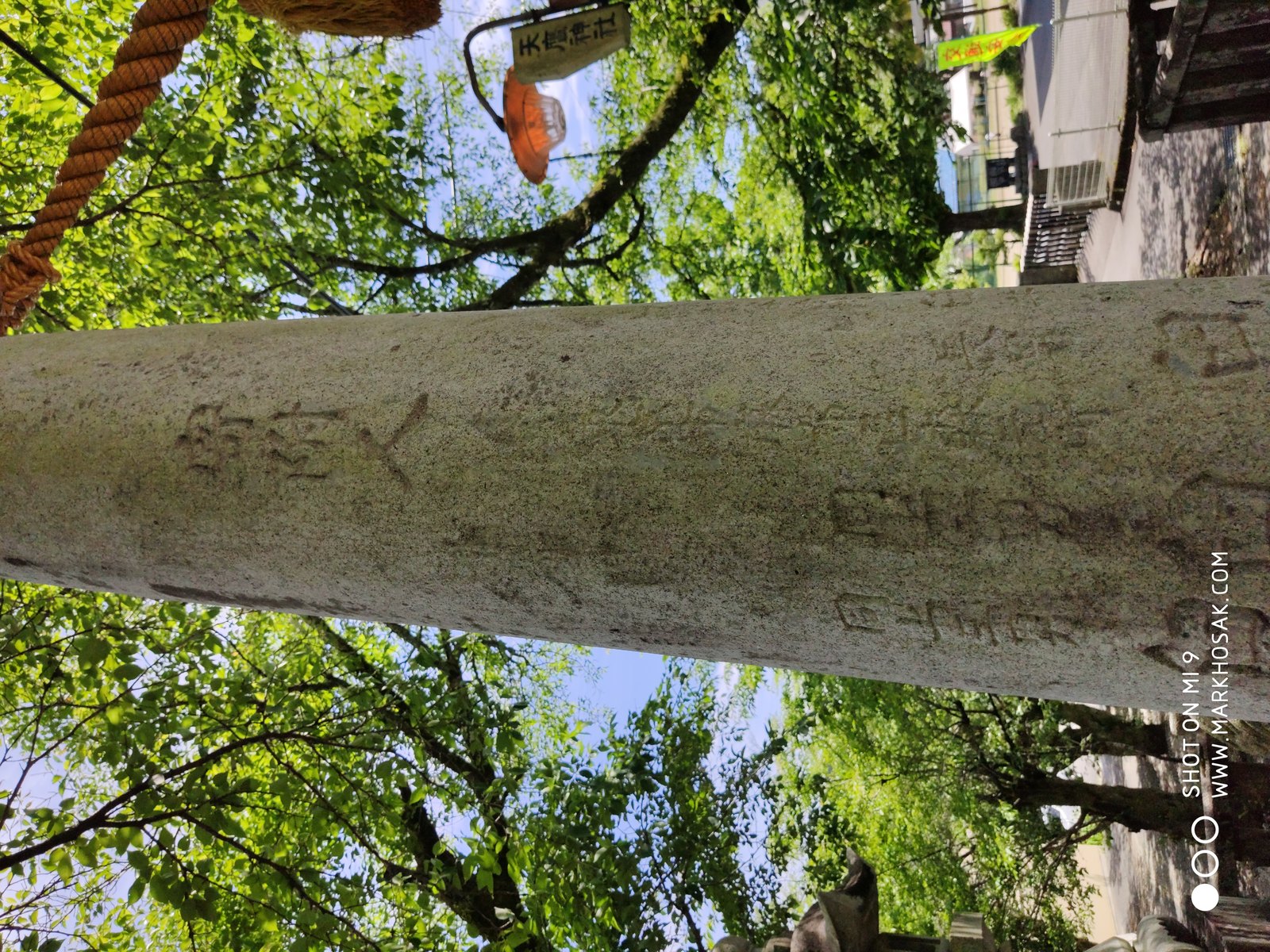
Japanese shamanism is a woven bundle of Shinto, Shugendō and Onmyōdō. Shinto is the way of the Kami — spirits in trees, stones, rivers, ancestors and places. Shugendō is the ascetic mountain practice of the Yamabushi, who unlock shamanic power through bodily severity, waterfall ritual and mantra recitation. Onmyōdō is the Japanese folk magic: number divination, star reading, protective amulets, Shikigami spirit-helpers and the work with thresholds and directions. All three streams flow into one another — and they are older than the Buddhism that came later to Japan.
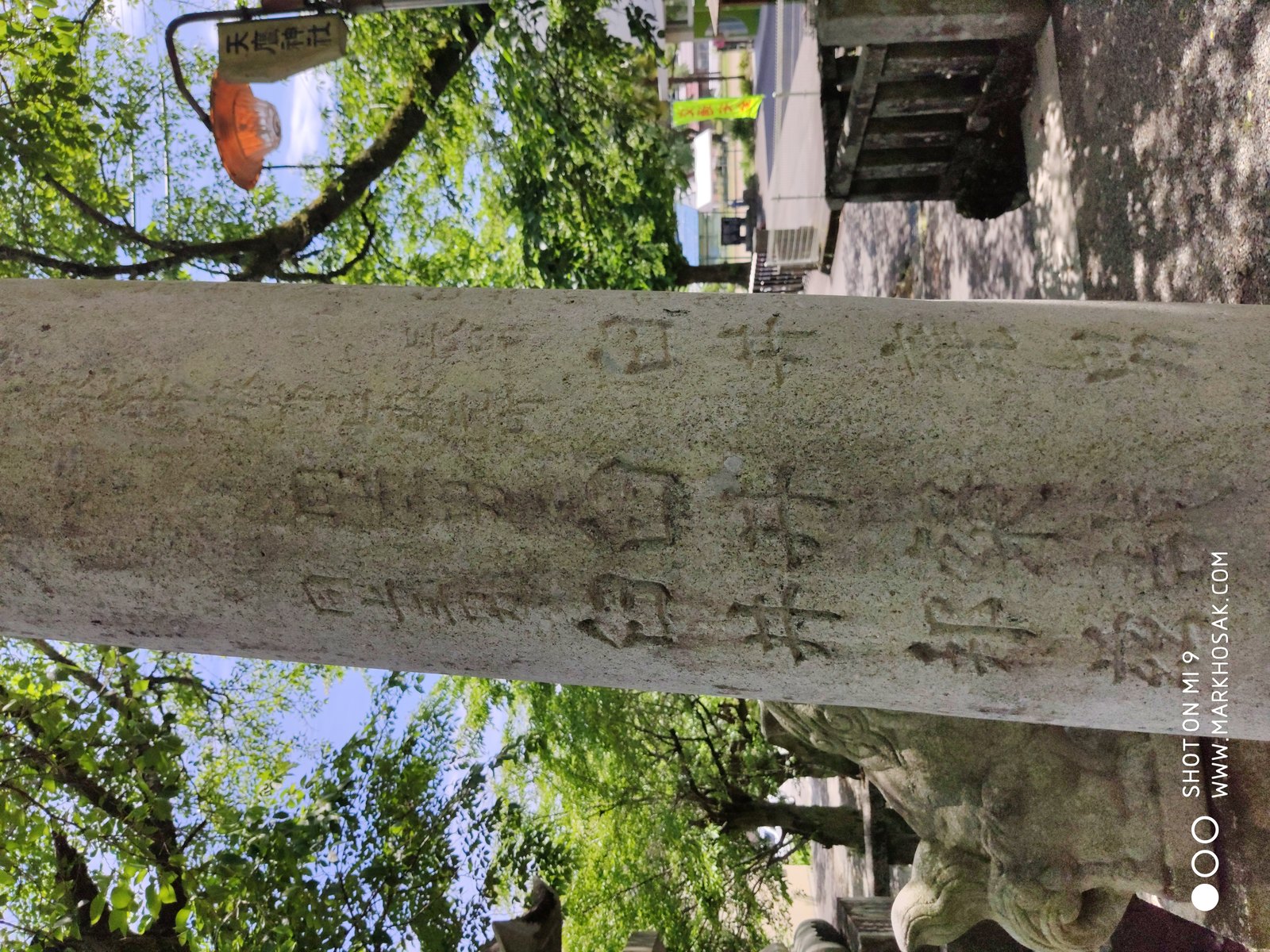
Shinto · Shugendō · Onmyōdō.
Japanese shamanism is not a single system. It is three old streams that have woven into one another over centuries — and in living practice can hardly be separated today.
Shinto
The way of the Kami. No doctrine · pure perception. Any tree can be a Kami. Any stone. Any waterfall. Torii mark the threshold between the everyday and the sacred.
Shugendō
The way of the mountain ascetics. Yamabushi climb harsh terrain, sit under ice-cold waterfalls, chant mantras to exhaustion. Out of bodily edge-experience grows shamanic clarity.
Onmyōdō
The Japanese folk magic. Star divination · protective amulets · Shikigami as spirit-helpers · direction and time science. Abe no Seimei as the most famous master of this line, still revered in Kyoto today.
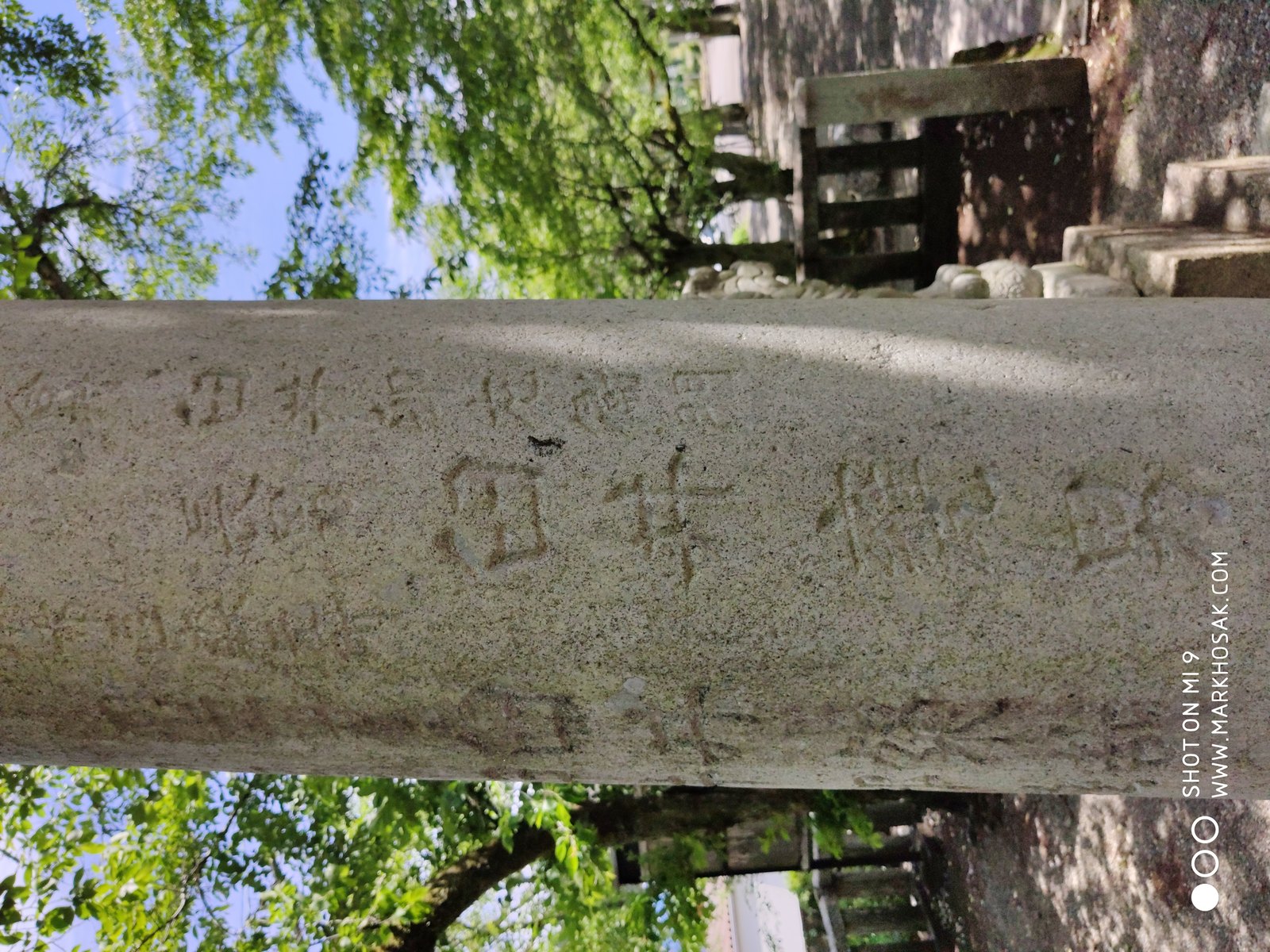
What the Kami show.
Kami in trees and stones
The Kami are not gods in the Western sense. They are presences — in an old tree, in a rock by the forest's edge, in a waterfall, in a household line. Walk through a Japanese forest and see the Shimenawa rope around a trunk: you stand before a Kami. Not a symbol · a dwelling.
Torii and thresholds
The red torii gate is not decoration. It is a ritual threshold. To walk through it is to change state. The everyday stays outside · the sacred begins. Japanese shamanic work uses this threshold-setting consciously — in daily life too.
Yamabushi · asceticism as gate
Shugendō is not for the wellness-seeker. Nights in the forest · ice-cold waterfall sittings · hours of mantra recitation until exhaustion comes and something else opens behind it. The body becomes tool. Through the inclusion of the body — not its bracketing — shamanic perception opens.
Abe no Seimei and the Onmyōdō way
Abe no Seimei lived in Kyoto in the 10th century. He was an Onmyōji · court astrologer · reader of numbers and stars. His Shikigami — spirit-helpers folded as paper figures — are legendary. The Abe no Seimei shrine in Kyoto is still a place of pilgrimage · and one of Eileen's research sites during her stays in Japan.
Pop culture as echo
Much of what shows up today in Japanese pop culture — spirits · rituals · threshold crossings · hand signs · paper charms — traces back to these old streams. The surface is stylized · the roots are real · and they are accessible to anyone willing to look seriously.
Japanese shamanism at a glance.
Kami
Presences in tree · stone · river · ancestor line. Not abstract gods · concrete presence at concrete places.
Mountain
Shugendō as way through bodily severity. Waterfall · cold · breath · mantra. The mountain as master.
Shikigami
Spirit-helpers in Onmyōdō. Paper · sign · direction · number. Precise folk magic with clear rituals.
Ancestors
The line of the forebears stays alive. House altar · Obon festival · pilgrimage. Look backward · and you see forward.
Eileen at the Abe no Seimei shrine.
Eileen Wiesmann researches Daoist ritual in Japanese folk magic as a historian of religion. Her stays in Kyoto bring her again and again to the Abe no Seimei shrine — a place where the Onmyōdō tradition is still alive today.
At the shrine, Ofuda amulets are still handed out · Shikigami symbols sold · protective rituals performed. Eileen brings academic precision together with lived spiritual perception — one of the rare bridges this field needs.
In the individual companionships and rituals Eileen and Mark offer together, these research experiences flow directly in. No textbook Japanese · no hollowed-out imitation · a living lineage.
Japan in the Grimoire Society.
For English-speaking practitioners: the Japanese Grimoire Society on Skool offers live practice with Mark in Kuji Kiri, Onmyōdō and Shingon ritual magic — the Japanese roots of what anime only hints at.
Feel the Japanese lineage.
The free perception test shows you whether the Kami are calling. On the Master Path you walk it concretely — with ritual · altar · Kami work · and the experience of what “quiet magic” really means.